
At present, these assertions lack support from rigorous human evidence.
The primary emphasis of online assertions about MOTS-c is on aspects such as metabolism (weight loss), insulin sensitivity, exercise performance, and longevity. Animal and mechanistic studies highlight potential, not clinical proof. Among the initial signaling peptides encoded by the mitochondrial genome — MOTS-c shows promising therapeutic possibilities.
In it, the researchers administered MOTS-c to mice at various life stages — young (two months old), middle-aged (12 months old), and old (22 months old) — and saw that subjects at every life stage exhibited improved physical performance in multiple tests, including those assessing motor coordination and running capacity.21 Recall that endogenous MOTS-c can be activated by exercise — allowing your skeletal muscles to use glucose for energy to meet their high energy demand. Over time, MOTS-c loses influence because its concentration declines with age.11 Consequently (people can become increasingly susceptible to some of the health conditions we’ve mentioned), many of which you may have noticed are largely age-correlated. Its name is short for “mitochondrial ORF of the 12S rRNA type-C,” which refers to the peptide’s origin, as it’s derived from lengths of DNA called short open reading frames (ORFs) found in the 12S rRNA region of mitochondrial DNA.1 2 After you place your order, a licensed physician will review your eligibility, and approved prescriptions will be sent to a state-licensed 503A compounding pharmacy for fulfillment. If you experience significant side effects even at minimal doses, MOTS-c may not be appropriate for you despite theoretical benefits.
Studies on healthy humans show that skeletal muscle MOTS-C levels spike up to 12-fold during and immediately after exercise, remaining elevated for hours , Reynolds et al., 2021,. MOTS-C’s primary mechanism is activation of AMPK (AMP-activated protein kinase), the cell’s master energy sensor. It is then secreted into the bloodstream (where it acts on distant tissues including skeletal muscle), liver, and fat. In human studies, skeletal muscle MOTS-C levels spike up to 12-fold during exercise. Both have longevity research interest but work through different mechanisms.
The exercise mimetic angle is real but should not replace exercise; frame as a complement to training. Position it as a mitochondrial support peptide for patients with metabolic syndrome (insulin resistance), or significant fatigue. Reference ranges as published in the source protocol document, not a prescription. Mitochondrial-focused stacking with SS-31 (Elamipretide) and NAD+ precursors covers complementary mechanisms. MOTS-c is a 16-amino-acid peptide encoded within the mitochondrial DNA, specifically the 12S ribosomal RNA gene.

The Mechanisms of Action Behind How MOTS-c Functions
This guide examines everything we know about MOTS-c benefits, from the molecular mechanisms to practical applications. Studies show skeletal muscle MOTS-c levels increase nearly 12-fold during intense physical activity. That question drove researchers at the University of Southern California to a remarkable discovery in 2015. It’s one of seven peptides under review when an advisory committee convenes on July 23 and July 24, 2026. The FDA is interested in MOTS-C’s potential in treating obesity as well as bone health. Scientists are currently recruiting people for a 12-week clinical trial to test the effectiveness of MOTS-C in adults with obesity and prediabetes.
Energy stability is the most common first signal. MOTS-c improves fat oxidation and insulin sensitivity, which supports gradual fat loss when paired with training and a calorie-aware diet. A realistic 8-week change is a 1- to 2-inch waist reduction with a leaner midsection. MOTS-c before and after results are real, gradual, and timeline-dependent. Tesamorelin is a GHRH analog that stimulates growth hormone secretion and specifically targets visceral fat. Semaglutide works by suppressing appetite (leading to faster), greater weight loss and a higher risk of lean muscle loss.
MOTS-c targets skeletal muscle (the largest insulin-sensitive tissue in the body), to regulate glucose metabolism. Endogenous MOTS-c levels rise in skeletal muscle and plasma during exercise in both mice and humans. This mitochondrial-nuclear communication mechanism distinguishes MOTS-c from peptides like SS-31 that act directly on mitochondrial membrane structures. MOTS-c targets the folate cycle and inhibits de novo purine biosynthesis in skeletal muscle, leading to AMPK activation and downstream metabolic effects , Lee et al., 2015,.
Human studies have also found associations between naturally occurring MOTS-c levels and metabolic health (including obesity), insulin resistance and type 2 diabetes, although results have not always been consistent between studies. It simply means researchers have observed some similar metabolic and cellular responses, which makes MOTS-c especially interesting for future performance and exercise research. For someone interested in exercise or body composition, that is obviously intriguing because training repeatedly creates metabolic stress and forces skeletal muscle to adapt to increased energy demands. We generally think of mitochondria simply as the structures inside our cells responsible for producing energy — but researchers now know that mitochondria also participate in communication throughout the body. That connection to mitochondria has led researchers to investigate MOTS-c in areas including glucose metabolism (insulin sensitivity), exercise performance, energy regulation and healthy aging. MOTS-c has become one of the more interesting peptides in metabolic and performance research because it works very differently from most peptides people are familiar with.
The growing interest in MOTS-c comes from its potential to enhance exercise performance (fat loss), and anti-aging outcomes. Many of its most exciting reported effects still come from animal or laboratory research, and much more human evidence is needed before those findings can be translated into reliable real-world claims. If researchers administered MOTS-c to mice and observed improved exercise capacity, that tells us something potentially important about the peptide’s biology, but it does not automatically tell us what the result would be in a person. It is easy to find definitive claims about fat loss, endurance, anti-aging and insulin sensitivity that do not distinguish between human studies, animal experiments and cell research.
Do not leave it at room temperature or reconstitute multiple vials in advance. Keep lyophilized , powder, vials sealed and refrigerated. At higher doses (strong AMPK activation can suppress mTOR signaling), which is the pathway driving muscle protein synthesis.
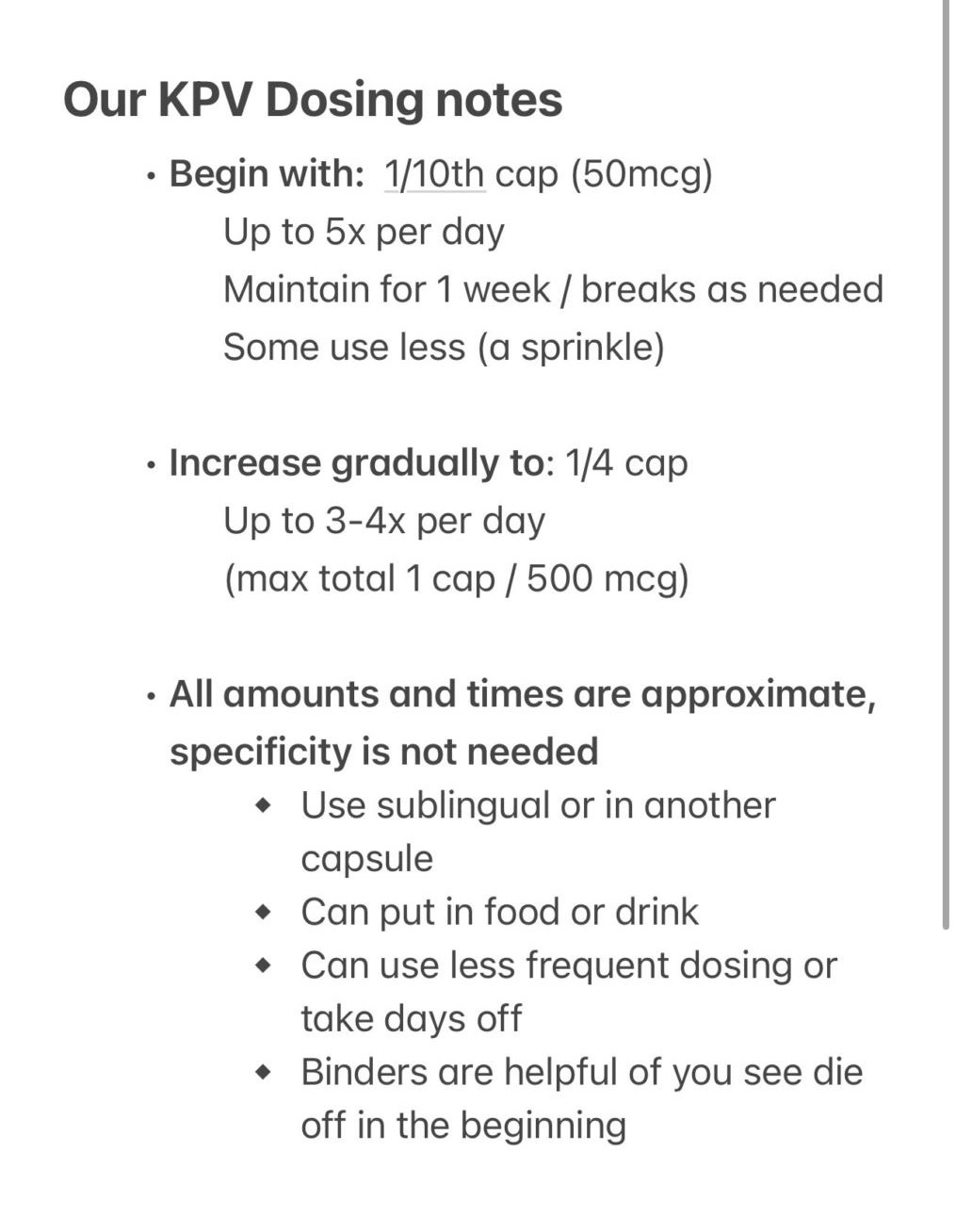
Community protocols describe combining it with structured exercise and tracking fasting insulin, HOMA-IR, lipid panel, and body composition. All protocols below are derived from published research and community experience. This is a meaningful distinction, and it’s worth understanding the regulatory environment in your specific location before pursuing any peptide research. When people discuss combining MOTS-c with other peptides, it’s usually within research or biohacking communities rather than clinical practice. MOTS-c is often mentioned alongside other well-known peptides, but it’s important to understand that these compounds work through very different mechanisms. Because MOTS-c is still a research-stage compound in many contexts, there isn’t a single standardized dosing protocol the way there might be for an approved pharmaceutical.
Storage of the lyophilized form is at -20°C protected from light; reconstituted solutions should be refrigerated at 2-8°C and used within 28 days per standard research protocols. This mechanism overlaps with the effects of exercise and the diabetes drug metformin, leading researchers to classify the compound as an “exercise mimetic.” Evidence-based peptide research (protocol breakdowns), and provider reviews. Standard protocols run CJC-1295/Ipamorelin nightly (as it synergizes with natural GH pulses during sleep) alongside MOTS-C 3x per week.
SuppliesPer dose you need one vial (shared across two doses), one syringe, two alcohol swabs, and a small amount of bacteriostatic water. Add peptidedosingprotocols.com as a preferred source and Google will show our research more often in Top Stories. But like we said, you can find pharmaceutical-grade MOTS-c; it’s just not as common as its research-grade counterpart. But it’s something to keep in mind, especially since our known providers warn that people with an active cancer diagnosis should avoid MOTS-c unless otherwise recommended by their doctor. The researchers behind a 2026 study speculate that MOTS-c may have a tumor-protection effect, potentially allowing tumor cells to tolerate injury.51 Bear in mind (however), that this is speculation about a biologically plausible phenomenon, not anything that has been established in clinical research.
Leave a reply